
For father-and-son team Alan and Jason Eaton, building high-end audio amplifiers isn’t just a business—it’s a story decades in the making. Through Alan Eaton Amplifiers, the pair creates handcrafted, Class A tube amplifiers that have become sought after by audio enthusiasts across the world for their warmth, clarity, and timeless design.
Today, their products are known for both their sonic purity and their elegant, minimalist enclosures. But behind every amplifier is a long history of craftsmanship, curiosity, and constant reinvention—along with the support from Protocase that has helped the Eaton business scale far beyond what two people could ever produce on their own.
A Lifelong Maker with an Ear for Great Sound
The name behind the brand—77-year-old Alan Eaton—has been building, fixing, and restoring electronics for most of his life. Long before he ever designed amplifiers, Alan refurbished console radios, restored classic jukeboxes from the 1950s, repaired vintage fans, and sold antiques at fairs and markets. He never had formal technical training, but he was self-taught, resourceful, and endlessly fascinated by how things worked.
Fifteen years ago, that passion shifted toward audio amplifiers. After studying and repairing some of the most respected equipment in the industry—including iconic Macintosh, Dynaco, and Citation brands—Alan began exploring the idea of designing something better. His research led him to a 1930s amplifier topology: a pure Class A design that amplifies signals without altering the input.
The result was an amplifier with a remarkably natural sound—something he shared with friends, who quickly encouraged him to build more. Soon, Alan was selling his amplifiers on eBay, where they gained a loyal following and the name Alan Eaton Amplifiers became known for boutique quality and honest engineering.
Passing the Torch—and Taking the Business Further
Throughout those early years, Alan’s son Jason Eaton supported the business behind the scenes. Jason—an engineer with Visa for 27 years—was the one who introduced Alan to eBay in the early 2000s, built the business’s first website, and eventually began assembling amplifiers himself from his home base in Tennessee.
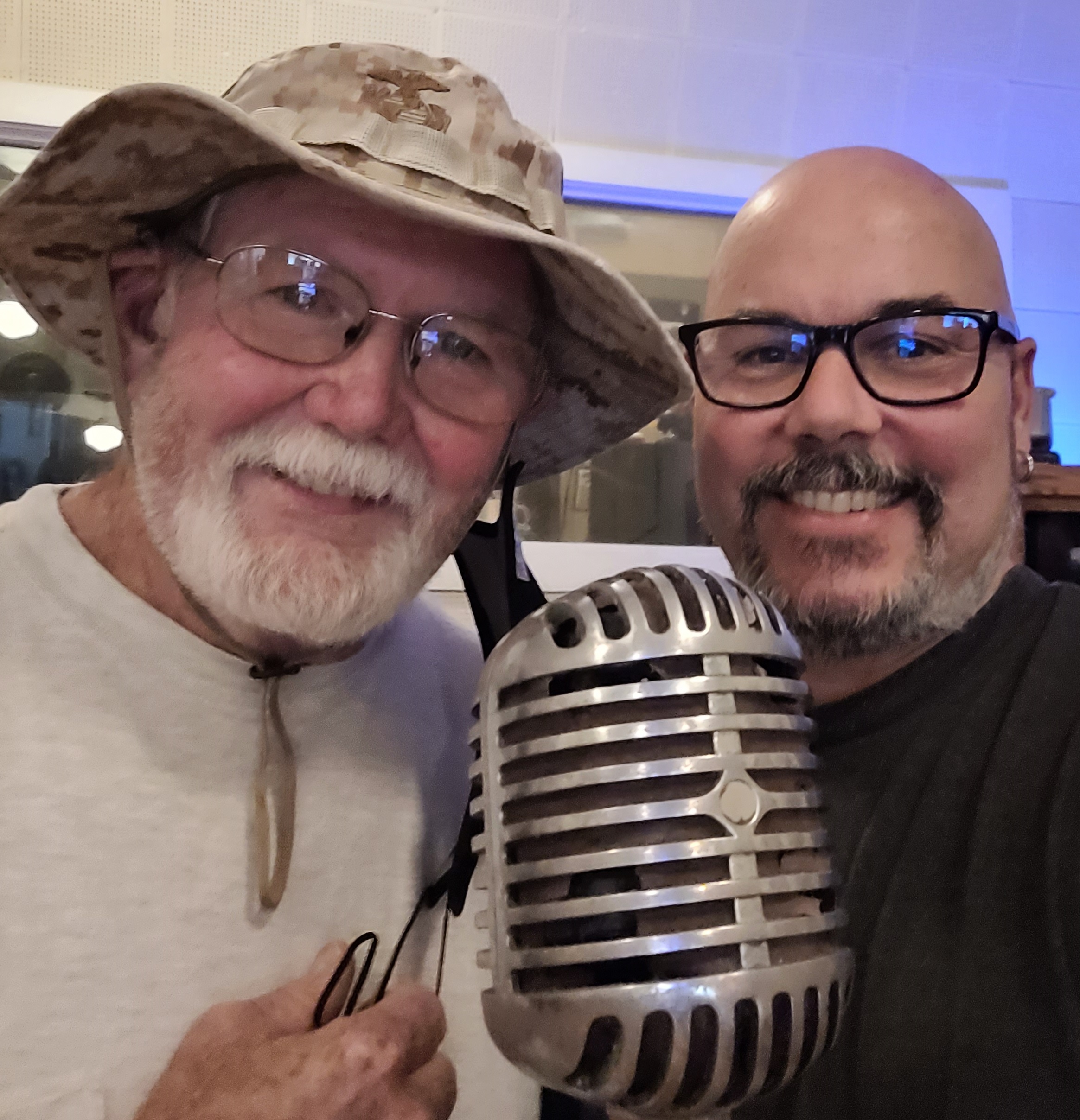
When the pair formally launched their website last year, demand surged immediately. The business shipped around 70 amplifiers, confirming what they long suspected: there was a real appetite for their products.
But success introduced a new problem: scalability.
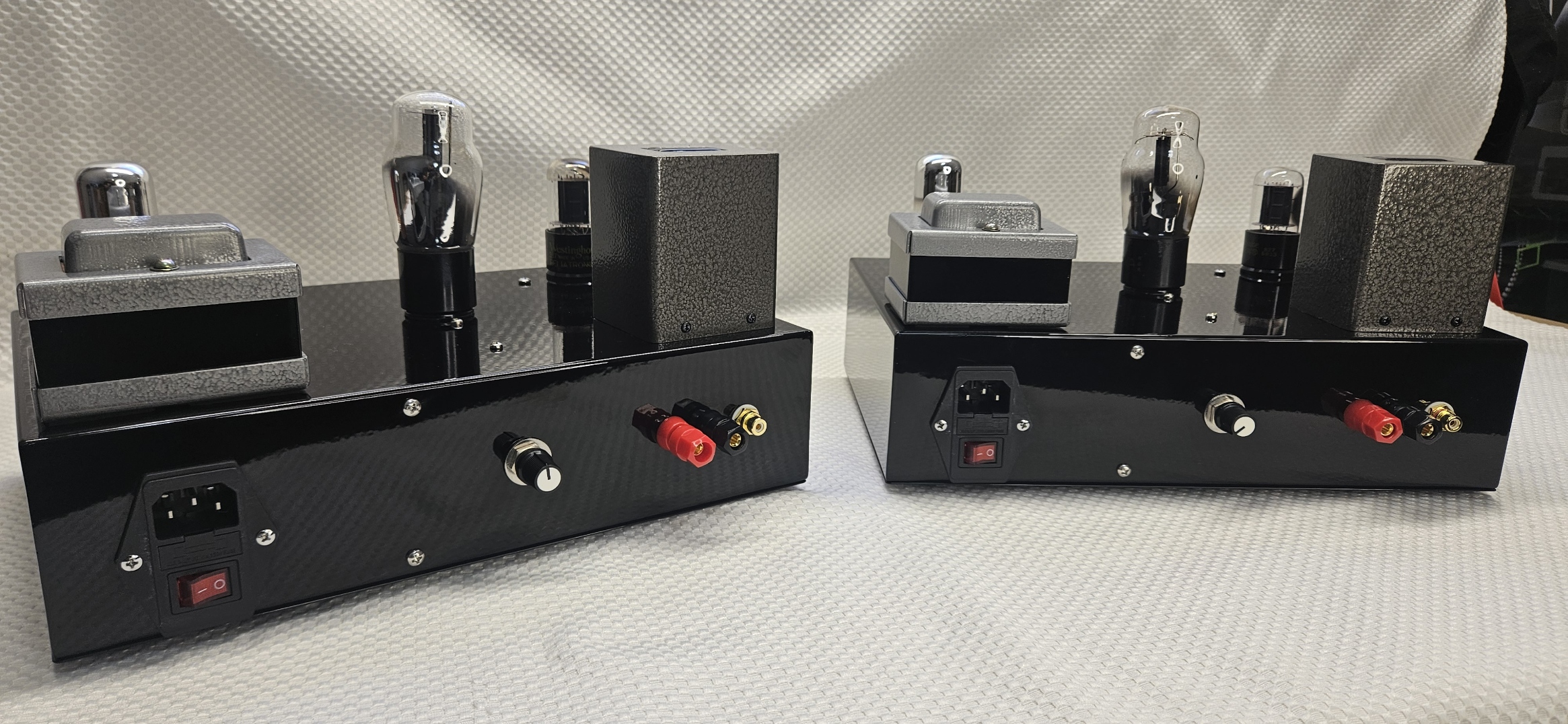
Each amplifier required a metal enclosure that Alan and Jason fabricated from off-the-shelf steel enclosures. Preparing those enclosures was labor intensive, with cutting, drilling, filing, filling seams, sanding, painting and re-finishing.
These steps consumed about 24 to 30 hours per unit – making it nearly impossible to keep up with the growing demand.
“There's no way this scales for two people,” explains Jason. “Even if we brought more people in, we couldn't keep up. We needed a professional manufacturing partner.”
Finding the Right Fit with Protocase
After struggling to find stamping or prototyping shops willing to handle small runs—or able to deliver the precision their amplifiers required—Jason discovered Protocase.
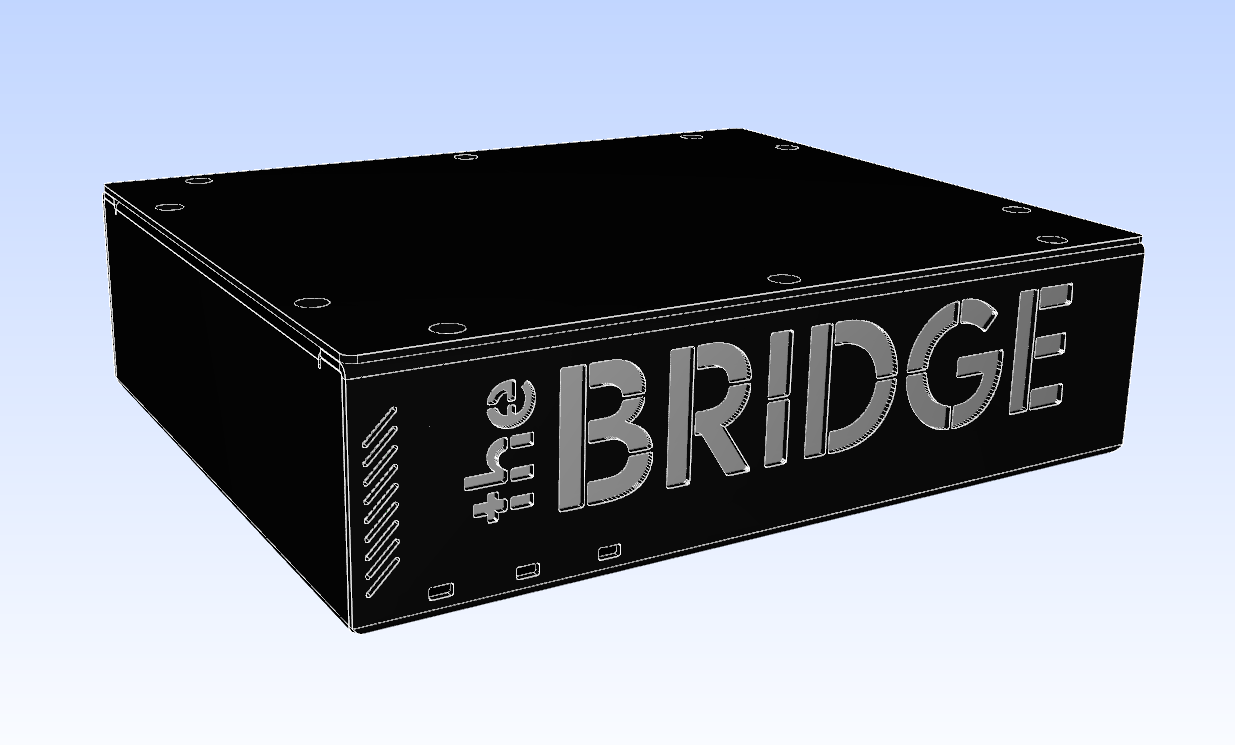
Jason wasn’t an experienced mechanical designer, but Protocase Designer allowed him to create a full enclosure model within just a few hours.
“I printed it out and showed it to my dad. He had never seen a 3D wireframe of one of our chassis before. He was blown away,” says Jason.
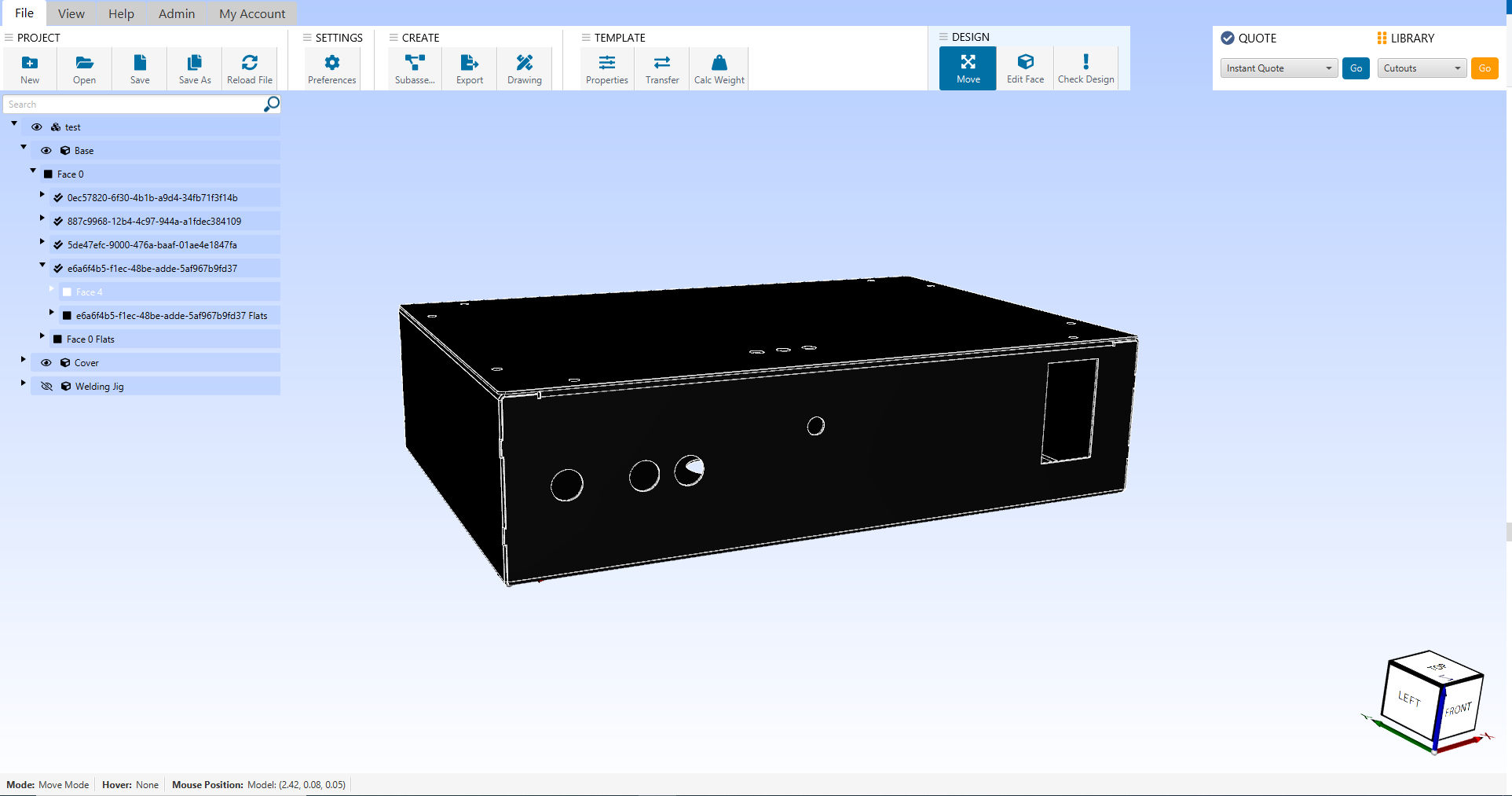
From there, the prototype process was seamless.
“The prototypes were exactly what I sent. Perfect. The quality was far beyond what we could achieve by hand. Fully seam-welded corners, beautifully ground surfaces—something you’d be proud to have in your living room, studio or bedroom.”
With Protocase manufacturing their custom 5-sided welded enclosures, Alan Eaton Amplifiers immediately experienced a transformation in efficiency.
It also enables a build-to-order model. Customers can choose colour and finish, place an order, and Jason can rely on Protocase’s fixed lead times to deliver enclosures just in time for final assembly.
“This is exactly what we needed,” explains Jason. “Now we can focus on what we do best—building great-sounding amplifiers—while Protocase handles the part that used to take us days.”
Looking Ahead
For Alan, seeing the business modernize and grow has been deeply rewarding. For Jason, it’s the foundation for the future—something he plans to carry into his retirement.
“If we need to bring more people in to build amplifiers, we can,” Jason said. “Because Protocase can keep up.”